

Best Places to Submit Your Startup in 2026
Last quarter, we tracked over 2,000 new software launches trying to break through the noise. Roughly 87% of those failed to secure substantial early-stage traction or investor visibility beyond their first 30 days. This isn't about bad products. It’s about a fundamentally flawed approach to gaining an audience.
Most founders still treat launch day as a one-off event. They pour everything into a single Product Hunt post, then expect the market to come to them. This worked, maybe, in 2018. But in 2026? It’s a death sentence.
The sheer volume of new startups means the traditional "big launch" is now just one tiny blip. You must think bigger. We’re talking about a continuous, strategic submission process across dozens of specialized platforms.
Consider the odds: Y Combinator's acceptance rate is around 1-2%. That illustrates the competition for mindshare and capital. Your strategy needs to reflect that ruthlessness. It demands more than just a fleeting moment on a popular platform.
What counts as a startup for these platforms
For most of these platforms, a startup isn't just a small business; it's a company designed for rapid growth and scalability. Think venture capital potential and hockey-stick growth curves.
A local bakery, while a business, doesn't typically fit the "startup" mold. But a company creating an app to predict optimal baking times across multiple locations? Now we're talking.
What about an MVP? An MVP, or Minimum Viable Product, is the most basic version of your product that solves a core problem for early adopters. Imagine it's like selling a single, perfectly ripe tomato at a farmer's market to see if people will buy it before investing in an entire tomato farm.
Most platforms require some baseline of market validation. And that means you have users, even just a handful. It means you have some revenue, even if it's minimal. Without it, you're just pitching an idea.
Don't skip this part: market validation helps earn trust and win users early on. Many startup directories require that you have at least a landing page, but a few others require more, like paying customers.
Speaking of visibility, for those aiming to boost their AI startup's presence, you might want to check out our strategic guide to listing your AI startup in 2025 for tailored advice.
But what if your current launch strategy isn't hitting the mark? The bigger issue is focusing solely on Product Hunt, when a more diversified approach to launching your startup is needed.
Don't have real users yet? Then focus on your landing page.
And make sure your website looks professional; first impressions matter.
Where to find the right submission category
The right submission category helps your startup get in front of the right audience. Think of it as finding the right watering hole for your specific animal.
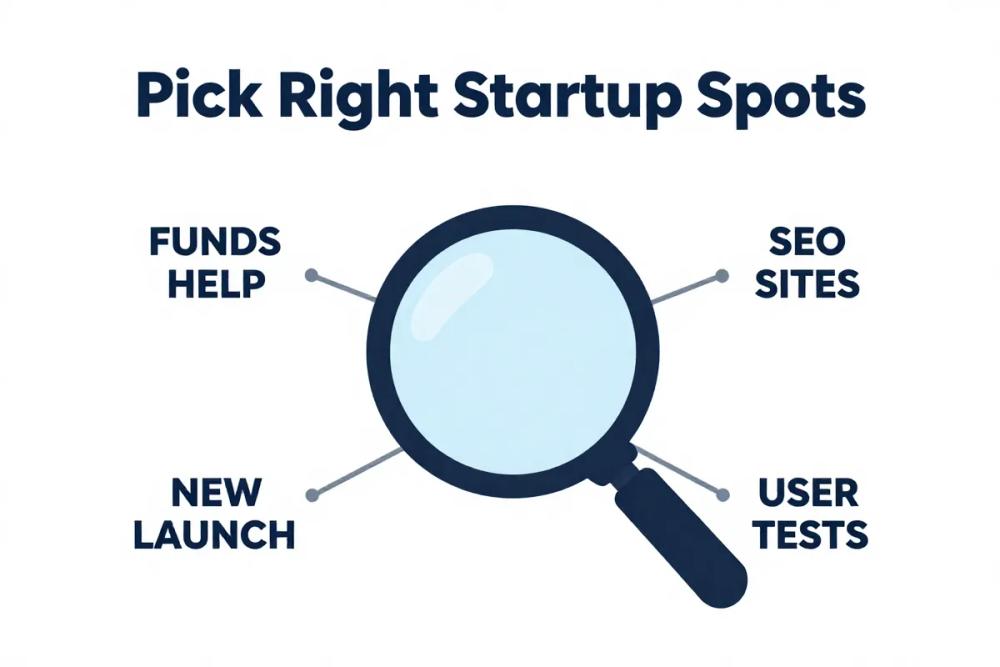
Here's a breakdown of the four main platform types: Accelerators, SEO Directories, Launch Pads, and Review Sites, and how to match your startup's goals to each.
- Accelerators: These programs offer funding, mentorship, and resources. Focus here if you need capital and guidance. Techstars, for example, provides $220,000 in funding for 5% equity.
- SEO Directories: These platforms boost your website's backlink profile. Use them to improve your search engine ranking.
- Launch Pads: These platforms are designed to generate initial buzz and user acquisition. Product Hunt is the classic example.
- Review Sites: These platforms provide social proof and user feedback. Target these after you've gained some initial traction.
Imagine your startup's journey as a pipeline. It starts with an Accelerator for funding, then moves to Launch Pads for initial users, continues to SEO Directories for sustained visibility, and finally ends at Review Sites for credibility.
Consider SEO directories for sustainable growth in particular. The best online directories for SaaS startups can provide a steady stream of qualified leads.
This diversified approach is more strategic than relying on a single platform.
So, how do you decide where to submit first?
- Identify your primary goal: Funding, backlinks, user acquisition, or social proof?
- Research platforms within that category: Look for ones specific to your industry or niche.
- Prioritize based on your stage: Early-stage startups might benefit more from Accelerators and Launch Pads. More established startups can focus on SEO Directories and Review Sites.
It's about aligning your resources with your most pressing needs. Don't spread yourself too thin early on.
A common error we see founders make is focusing too much on one type of platform, specifically launch pads, while neglecting SEO directories, which is a crucial step in backlink building. Listing in places like the Top 12 Website Submission Directory Platforms For 2025 can significantly improve your domain authority.
Now, go map out your submission strategy. Don't just pick the shiniest object. Pick the platform that solves your immediate problem.
Top startup accelerators for high growth
The top startup accelerators are a gateway to significant funding and mentorship, but competition is fierce. Getting into one can be a total game changer.
For high-growth startups, a few accelerators stand out from the rest. These are the programs that consistently produce unicorns and attract top-tier investors.
Here's a look at the "Big Three" and what they offer:
- Y Combinator: Known for its intensive, short-term program, Y Combinator's official application standards and program data are notoriously competitive. The acceptance rate sits around 1-2%. (Yes, you read that right.)
- Techstars: Offers $220,000 in funding ($200,000 SAFE, $20,000 convertible equity) for 5% common stock. It's a good option for startups needing a more extended mentorship period.
- 500 Global: Focuses on international expansion and provides $150,000 for 6% equity. They’re excellent if you’re eyeing markets beyond your current reach.
But here's the hard truth: acceptance into any of these programs is just the beginning. It's what you do after the program that truly matters. The funding helps, sure, but the real value lies in the network and the acceleration of your learning curve.
Once you've locked down your funding, think about getting your startup in front of the right people. This is why we think that focusing on SEO directories can provide sustainable growth in particular. You might find The Best Online Directories For Saas Startups to be a helpful resource.
Now, map out a plan for your directory submissions and start earning trust from the get go.
Specialized programs for B2B and European founders
AngelPad stands out as a top choice if you're laser-focused on the B2B space. They provide $120,000 in funding coupled with hands-on guidance tailored for the unique challenges of B2B startups.
Seedcamp is where you should be looking if your startup calls Europe home. They invest anywhere from €100,000 to €1 million, aiming to scale up startups across the European market. But be ready for a different set of legal and cultural challenges when expanding across the continent.
LAUNCH Accelerator invests $125,000 for 7% equity into just 7 startups per cohort. This smaller cohort size means more personalized attention, but also a more competitive application process. Choose wisely.
Now, set up your business profile to stand out from the competition in these programs.
Best directories for SEO and automated backlink building
Directories are vital for building your startup's domain authority, acting like digital billboards that point back to your site. The more relevant and authoritative these "billboards" are, the better your site ranks in search results.
But here's the catch: manually submitting your startup to hundreds of directories is a founder time trap. It's tedious, time-consuming, and frankly, soul-crushing.
Instead of wasting days on repetitive form-filling, consider automation. LaunchDirectories was built to streamline this exact process for indie hackers and lean teams. Founders can focus on product development.
The platform isn't just about mass submissions; it’s about smart submissions. Each directory is thoroughly vetted to ensure it's a good fit for your startup's niche. This targeted approach results in higher-quality backlinks, which can greatly improve your domain rating, meaning more eyes on your business!
However, that isn't the only way to get your business noticed. You might also want to consider other options, such as a curated list of the best online directories for SaaS, to ensure you’re making the most of your resources.
Now, start automating your directory submissions so that you can rank faster!
Public launch platforms for community feedback
Public launch platforms are where you get brutally honest feedback. These platforms aren't about direct funding; they’re about social proof and early user validation.
Product Hunt remains the gorilla in this space. But relying solely on a Product Hunt launch in 2026 is risky. (Think of it like betting your entire marketing budget on a single Super Bowl ad). The front page is incredibly competitive, and the fleeting attention span means you need backup options.
Consider BetaList for pre-launch exposure. The audience is smaller but highly engaged, offering valuable feedback before your official launch. Or, if you're targeting a more technical audience, try Hacker News Show HN. But be warned: the Hacker News community is notoriously skeptical; you'd better be ready to answer some tough questions.
Looking at top Product Hunt alternatives for launching a product can expand your launch strategy.
A successful launch on these platforms hinges on a few factors: a compelling product narrative, high-quality visuals, and active engagement with the community. Don't just post and disappear. Answer questions, respond to feedback (even the negative stuff), and show that you're genuinely listening.
And if you're not getting the traction you expected? Don't despair. Iterate based on the feedback, refine your messaging, and try again. The goal isn't just a spike in traffic; it's about building a community around your product.
Now, go build a community, get social proof and win users.
How to make your submission stand out to investors
Submitting to startup directories with a generic pitch is like showing up to a potluck with a store-bought cake; it's technically food, but it shows zero effort. Investors can spot a "copy-paste" job from a mile away. Your goal is to make your startup memorable, showing you're worth their time and capital.
The key lies in tailoring your submission to each platform's specific focus and audience. Don't just list features; highlight the impact of those features on your users and on your business. Showcase traction, even if it's early, and frame it as a signal of future growth.
Here's how to make your submission shine:
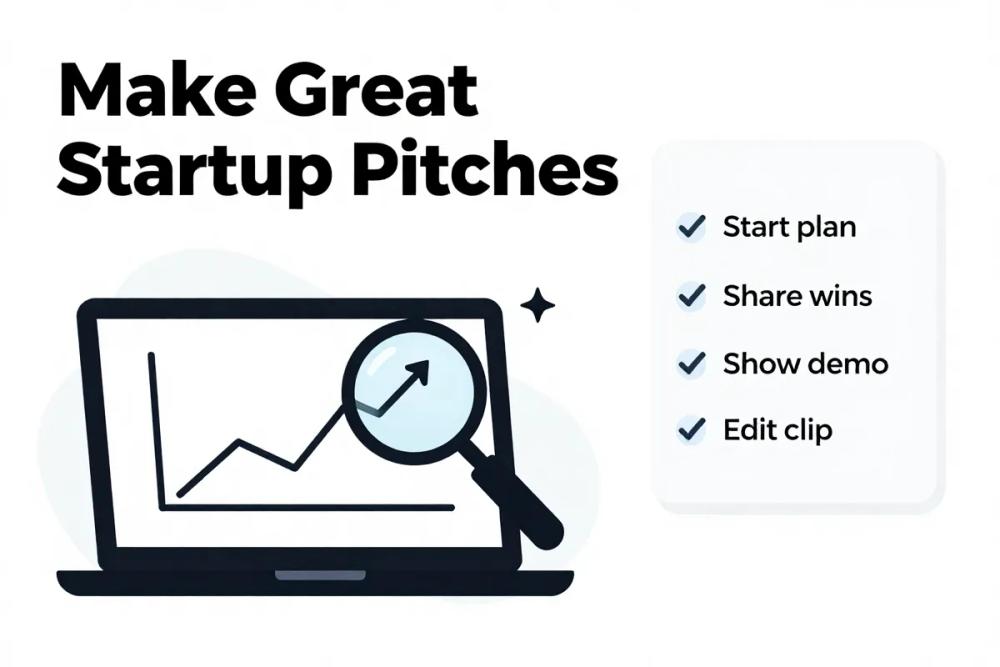
- Startup pitch deck: Quantify everything. Instead of saying "users love our product," say "92% of early users reported a 30% increase in productivity after the first week". That's a statistic investors can sink their teeth into.
- Video: Keep it short and punchy (under 2 minutes). Don't just demo the product. Tell a story about the problem you're solving and the impact you're having.
- Demo: Make it ridiculously easy to use. Assume the investor has the attention span of a goldfish. Pre-populate data, eliminate unnecessary steps, and focus on the core value proposition.
A polished demo and a well-articulated value proposition aren't enough. You've also got to show you're serious.
And the best way to do that is by showcasing traction.
But what if you don't have thousands of users? No problem. Highlight early signs of traction. Show week-over-week growth, even if the numbers are small. Highlight positive user testimonials or case studies. Showcase engagement metrics (e.g., time spent on the platform, feature usage, referral rates). Frame these metrics as evidence of product-market fit.
We see founders who aren't even focused on SEO directories while they should be; they're great for backlink building. The bigger issue is not focusing on the right places, such as Listing in places like the Top 12 Website Submission Directory Platforms For 2025, that can significantly improve your domain authority.
There are also directories specifically for investors, like vcdir.com, which lists VC firms and can be useful for visibility in the investment community.
Now, go make it as easy as possible for investors to say "yes," and watch the investor interest come flooding in.
Bootstrapping strategies before you submit
Bootstrapping your startup is all about making every dollar count, and sometimes, that means holding off on the accelerator route. It's not always the best first step to rush into seeking venture capital, especially if you can achieve sustainable growth independently.
Consider this: Do you really want to give away 5-7% equity for funding you might not even need yet? Plenty of companies have scaled impressively via self-funding and smart organic growth.
Here’s a framework for determining whether bootstrapping is right for you, at least initially:
- Assess your capital needs: Can you reach initial milestones with personal savings, revenue, or small business loans?
- Focus on revenue generation: Prioritize early sales and customer acquisition. A self-funded startup retains full control.
- Build a Minimum Viable Product (MVP): Get something functional into users' hands quickly and iterate based on feedback.
- Embrace organic marketing: Content marketing, SEO, and social media can be incredibly effective without a huge budget.
But there's also risk involved. Venture capital gives you faster access to resources, but bootstrapping forces resourcefulness and deep understanding of your unit economics.
And it's okay to start with bootstrapping and then pursue venture capital later. Many successful companies have done exactly that.
Check out Startup School's curriculum on bootstrapping and validation to learn more about building a sustainable business without immediately diluting your equity.
Now, focus on retaining more equity by choosing the best strategy for your business model.
Common mistakes that get startups rejected
Startup directories aren't charities; they're gatekeepers. And, several mistakes can land your submission in the rejection pile.
One major pitfall is misaligned equity expectations. Founders often overvalue their company early on, leading to equity demands that scare off potential investors. Remember, accelerators like Techstars take 5% equity for $220,000 in funding. If you're asking for more at a similar stage, you better have the traction to back it up.
Another rejection trigger? Lack of demonstrable market validation. An idea isn't enough. You need users, revenue, or at least strong engagement metrics. And don't think you can fake it.
Because boosting your profile visibility with fake reviews is an ethical minefield, plain and simple. (It also violates the terms of service for most platforms.) The short-term gain isn't worth the long-term damage to your reputation.
Submitting too early is yet another common blunder we see. Many startups rush to list before they have a solid product, a clear value proposition, or even a professional-looking website. First impressions matter, and a half-baked submission screams "amateur hour." You should also have a landing page, since many startup directories require that.
These platforms can significantly improve your domain authority, but only if you have something of value to offer. And, by ensuring you have a website that looks professional.
Finally, remember, use LaunchDirectories to help streamline this process. By focusing on smart submissions, you increase your chances of getting noticed.
Now, go optimize your approach and increase your chances of getting approved!
Submission sites for hardware and biotech companies
Submission sites for hardware and biotech companies need specialized care. You can't just shotgun your pitch across platforms designed for SaaS.
The key is finding communities and directories that understand the unique challenges and funding models of non-SaaS startups. Think longer development cycles, regulatory hurdles, and capital-intensive manufacturing or lab work.
Consider these options:
- Y Combinator (Hardware Track): While YC is known for software, they have a dedicated hardware track. It provides specific mentorship and resources for hardware startups. (Just remember that the overall acceptance rate is only around 1-2%).
- SOSV (HAX and IndieBio): These accelerators focus specifically on hardware and biotech startups, respectively. They offer funding, lab space, and mentorship tailored to these industries.
- Hello Tomorrow: This global competition and community connects science-based startups with investors and industry experts. It's a great way to gain visibility and network with potential partners.
- AngelList: While not a directory per se, AngelList allows you to filter startups by industry, including hardware and biotech. This makes it easier for investors to find companies in these sectors.
The real issue is that you need to think beyond generic startup directories. Target your submission efforts at niche communities and platforms. And that means demonstrating a clear understanding of your target audience.
Now, get started finding the right directories so you can build relationships, not just backlinks.
What to do after you click submit
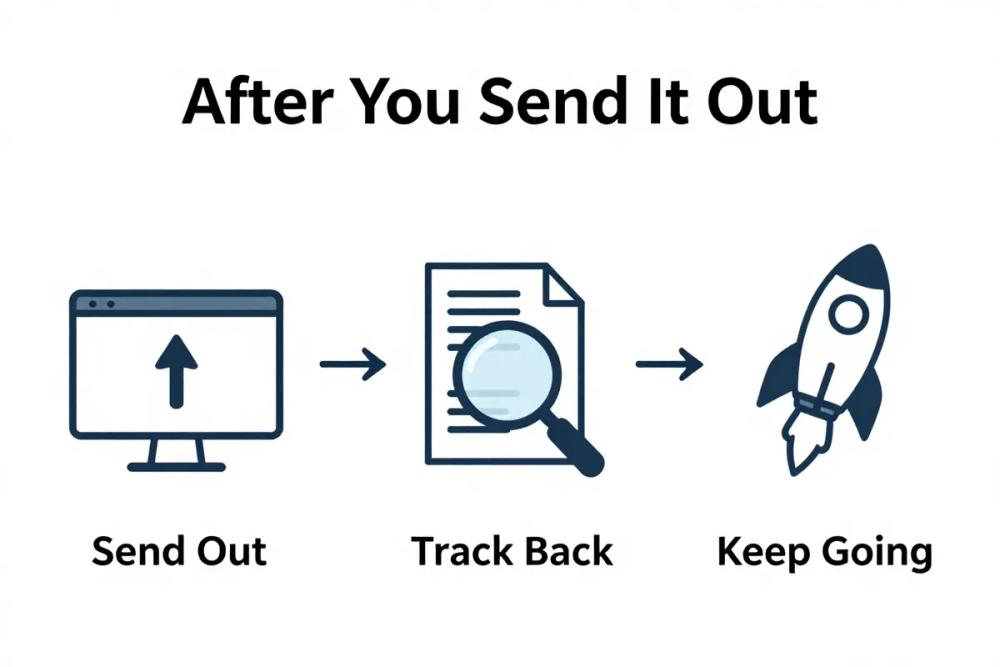
After you click submit, the real work begins. Don't just fire and forget; treat each submission as the start of a conversation.
Think of it as planting seeds; some will sprout immediately, others will take time, and some may never grow at all. The key is consistent tending.
Here’s your post-submission roadmap:
- Immediate Confirmation: Check for confirmation emails (and check your spam folder). This confirms that your submission was received and is being processed.
- Track the Listings: Use a spreadsheet to track where you've submitted, the date, and the status. We built LaunchDirectories to automate this tracking, but a simple Google Sheet works too.
- Follow-Up (Tactfully): After a reasonable period (usually 2-4 weeks), follow up with the directory. A polite email asking for an update is acceptable. (But avoid being a pest.)
The bigger issue is what to do when you hear "no," or worse, don't hear back at all. Rejection is part of the startup game, but it's not a dead end.
Here's how to handle the "not yets":
- Ask for Feedback: Don't just accept the rejection; ask why. What could you improve? Was it a poor fit, or was there something lacking in your submission?
- Iterate and Resubmit: Based on the feedback, refine your pitch, your website, or your product itself. Then, resubmit to the same directory or a similar one.
- Stay Engaged: Even if you're rejected, continue to engage with the platform's community. Comment on other startups, offer helpful advice, and build relationships.
And here's a gritty truth: Submission should be a catalyst, not the finish line. Treat it like a "signal boost" to other marketing efforts.
- Investor Updates: If you're targeting investors, keep them in the loop on your submission progress. Even a "pending" listing shows initiative. Investors like to see constant traction, and according to the Biz4Group's report, they have over 20 years of experience, with 300+ dedicated professionals, and 1000+ successful projects.
- Social Media: Share your successful listings on social media. "Thrilled to be featured on [Directory Name]!" Add a link to your profile.
- Content Marketing: Write a blog post about your experience submitting to startup directories. Share tips and lessons learned. (Link back to your listings, of course.)
These tactics are meant to keep your pipeline full. It is essential to stay ahead of the competition. For added visibility, you may find our guide on A Founders Guide To Ai Directory Submissions helpful, as it provides specific strategies for AI startups.
Now, get out there, stay persistent, and turn those submissions into real momentum.
Quick answers for startup founders
Don't get caught up in the startup hype. Answer these questions first before you submit anywhere.
Quick answers for startup founders
Product Hunt isn’t dead, but relying on it as your only launch strategy in 2026 is naive. Think of it as a decent first date, but not a marriage proposal. The platform still generates buzz, but the shelf life is short.
How much equity is too much? It depends. Techstars grabs 5% for $220,000, so benchmark against that.
And here's a truth pill: your startup is probably worth less than you think it is. Be realistic with valuations or risk scaring off investors.
Do you need a finished product to apply to accelerators? Not necessarily, but you do need something beyond a PowerPoint deck. An MVP—a Minimum Viable Product—shows you're serious about solving a problem. It signals more than just an idea.
Think of it like this: You need a prototype (at minimum) to show investors something tangible. Otherwise, you're selling smoke.
Now, before submitting, visit our curated list of the best online directories for SaaS, where you’re sure to find the right fit for your business.