
Overview
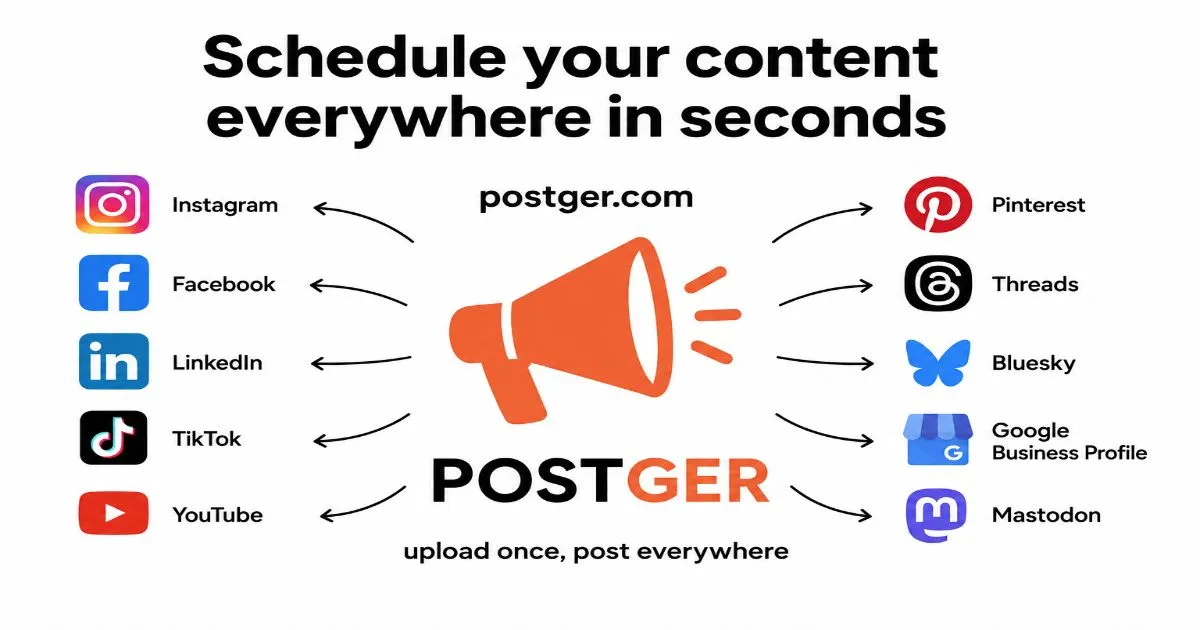
Postger is a social media management platform designed for teams and agencies that need to coordinate content across multiple social networks. The product positions itself as a direct alternative to tools like Buffer, Hootsuite, and Later, but with a stronger emphasis on team collaboration and client-facing workflows. Postger supports over 10 platforms including Facebook, Instagram, LinkedIn, TikTok, YouTube, Pinterest, Threads, Bluesky, Mastodon, and Google Business Profile. The platform uses direct API integrations rather than an aggregator, which means it can offer more native features per platform. Postger is built for organizations that manage multiple brands or client accounts, offering unlimited team members on its Agency plan with no per-seat pricing. The company offers a 7-day free trial with full access and no credit card required, positioning itself as a fairly priced alternative to enterprise tools like Sprout Social.
Key Features
Content Calendar – Postger provides a visual drag-and-drop calendar that supports month, week, and day views. Users can schedule posts, create recurring slots, and manage queues. The calendar integrates directly with the composer, allowing teams to see their entire publishing schedule at a glance.
Multi-Platform Publishing – The composer allows users to create a post once and customize it for each platform before publishing. Users can attach media, preview posts, and schedule them individually or in bulk. The platform supports carousel and multi-image posts for Instagram and Facebook.
Approval Workflows – Posts can be routed through a client or manager approval process. Clients receive a magic link to a branded portal where they can preview the post, leave inline comments, and approve or reject it without needing a Postger account. This feature is particularly useful for agencies managing multiple clients.
Unified Inbox – All comments, direct messages, and mentions from every connected platform are aggregated into a single feed. The inbox includes SLA tracking for response times, making it suitable for customer support teams.
Idea Board – A Kanban-style board for brainstorming and organizing content ideas. Cards can be moved from brainstorm to draft to scheduled, providing a visual workflow for content planning.
Analytics & Reporting – Postger offers per-post and channel-level metrics with KPI cards and trend charts. Users can track engagement, reach, and growth over time. Reports can be exported as PDF or CSV files.
AI & Intelligence Tools – The platform includes AI-powered content scoring, auto-generated captions, and an open API for AI agents. This allows external tools to draft content, suggest hashtags, and automate publishing workflows.
How It Works
Getting started with Postger requires creating an account and connecting social media profiles via direct API authentication. The onboarding process guides users through linking their first platform and setting up a workspace. Once connected, users can access the main dashboard which features the content calendar as the default view. From there, users can create a new post using the composer, select which platforms to publish to, customize the copy per platform, and attach media from the media library. Posts can be scheduled immediately, added to a queue, or saved as drafts. For team collaboration, users can invite team members with custom roles and permissions. The approval workflow is initiated by sending a post for review; clients receive a magic link to a portal where they can approve or comment. The unified inbox aggregates all interactions, and the analytics section provides performance data. Postger also offers smart queues for recurring posting slots, and the idea board helps manage content ideation. The platform is web-based and does not require any software installation.
Use Cases
Agency Managing Multiple Clients – A social media agency handling 20+ client accounts can use Postger's workspaces to isolate each brand. The client portal allows clients to review and approve posts without needing their own account, streamlining the approval process. Unlimited team members on the Agency plan mean the entire agency can collaborate without extra costs.
Marketing Team for a Mid-Sized Company – A marketing team of five managing 15 social profiles across Facebook, Instagram, LinkedIn, and TikTok can use the content calendar to plan a month of posts in advance. The approval workflow ensures that the marketing director reviews all posts before they go live.
Solo Creator or Freelancer – A solo creator managing 5 profiles can use the Starter plan to schedule posts, use the idea board for content planning, and access basic analytics. The low cost and unlimited scheduled posts make it suitable for individuals.
Customer Support Team – A brand that receives many comments and DMs can use the unified inbox to manage all interactions from one place. SLA tracking helps ensure timely responses, and the inbox can be assigned to specific team members.
Content Strategist – A content strategist can use the idea board to brainstorm topics, move them through the pipeline, and eventually schedule them. The AI tools can help generate captions and score content for engagement potential.
Pricing & Value
Postger offers three pricing tiers: Starter, Pro, and Agency. The Starter plan costs $17 per month (billed yearly) or $19 monthly, supporting 5 profiles, 1 workspace, and 1 user. The Pro plan costs $25 per month (yearly) or $29 monthly, supporting 15 profiles, 3 workspaces, and 3 users. The Agency plan costs $41 per month (yearly) or $49 monthly, offering unlimited profiles, workspaces, and users. All plans include a 7-day free trial with full access and a 14-day money-back guarantee. The yearly billing saves 20% compared to monthly. Compared to competitors like Buffer (which charges per channel) or Sprout Social (which charges per user), Postger's flat pricing for unlimited team members on the Agency plan is a significant value proposition for agencies. However, the Starter plan's limit of 5 profiles may be restrictive for some users. Overall, Postger offers competitive pricing for teams that need collaboration features without per-seat costs.
Final Verdict
Postger is a well-rounded social media management platform that excels in team collaboration and client management. Its direct API integrations ensure reliable publishing across major platforms, and the approval workflow is a standout feature for agencies. The unlimited team members on the Agency plan provide excellent value. However, the platform lacks a mobile app, which may be a drawback for users who need to manage on the go. Additionally, some advanced analytics features are limited to higher tiers. Postger is best suited for teams and agencies that need a centralized hub for scheduling, approval, and communication. Solo creators may find the Starter plan sufficient, but those with more than 5 profiles will need to upgrade. Overall, Postger is a strong contender in the social media management space, offering a balanced mix of features and affordability.